
Short Answer
Overview
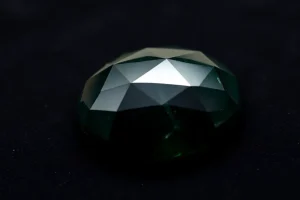
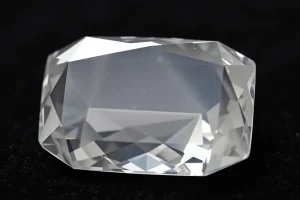
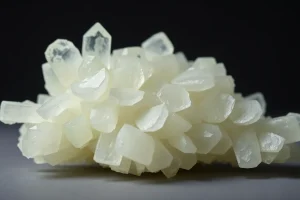
Cancrinite is a relatively uncommon member of the cancrinite group of feldspathoid minerals. Chemically it is a sodium‑calcium carbonate‑silicate that crystallises in the hexagonal system, producing well‑developed prisms and dipyramids. In its gem‑grade form the stone displays a range of subtle hues—most often colour‑less, very pale blue, pale yellow, or faint green—with a vitreous to pearly luster and a degree of translucency that makes it attractive for cabochon work.
With a Mohs hardness of 5 – 6, cancrinite is softer than many traditional gemstones such as quartz or sapphire, which limits its use to settings that protect it from impact. Nevertheless, its rarity, distinctive chemistry, and gentle colour palette give it a niche appeal among collectors and designers seeking something unusual.
History and Origin
The mineral was first described in 1839 by the Russian mineralogist Georg von Cancrin, after whom it is named. The type locality is the Kola Peninsula in north‑western Russia, where cancrinite occurs in alkaline nepheline‑syenite complexes. It also forms in carbonatites and in metamorphosed carbonate rocks that have been enriched in alkalis.
Significant occurrences have been documented in:
- Ilmen Mountains, Kola Peninsula, Russia
- Marble Canyon, California, USA
- Stillwater Complex, British Columbia, Canada
- Alkaline complexes of Norway and Finland
These localities share a common geological setting: silica‑undersaturated, potassium‑rich magmas that allow feldspathoids to crystallise instead of quartz.
Meaning and Symbolism
In traditional gemstone lore, cancrinite is linked to clarity of thought and the unfolding of hidden potential. Its often‑clear appearance is said to represent purity, while the faint colour tints are interpreted as whispers of inner wisdom. Collectors also view the stone as a symbol of scientific curiosity, reflecting its unique place among carbonate‑rich feldspathoids.
Healing and Metaphysical Properties
Crystal‑healing practitioners attribute several energetic qualities to cancrinite. According to belief systems, the stone supports clear communication, emotional balance, and the expression of truth. It is commonly associated with the Throat chakra for articulate speech and the Heart chakra for compassionate feeling. Users also claim it can help release old emotional patterns, enhance mental focus, and stimulate creative ideas. These statements are based on tradition and are not intended as medical advice.
Varieties and Types
Colour variation in cancrinite is primarily the result of trace impurities such as iron, titanium, or manganese. The main varieties recognised by collectors are:
- Colourless/White: Transparent to translucent, prized for high‑clarity cabochons.
- Pale Blue: Light sky‑blue hue, the most sought‑after colour for jewelry.
- Pale Yellow: Soft lemon‑tint, occasionally found in larger masses.
- Pale Green: Very light green, rare and valued by specialists.
No widespread artificial treatments are applied to cancrinite, although gentle heating can sometimes intensify the pale blue shade. The mineral’s perfect basal cleavage and moderate hardness mean that any treatment must be carefully controlled to avoid damage.
Jewelry Uses and Care
Because of its modest hardness, cancrinite is best suited to jewelry that shields it from abrasion. Typical applications include:
- Cabochon pendants set in silver, gold, or platinum, often with protective bezels.
- Beaded necklaces and bracelets, frequently combined with harder stones such as quartz or amethyst.
- Inlay work in decorative objects, watch dials, or lapel pins where the stone is not subject to direct impact.
Care instructions:
- Clean with lukewarm water, a mild detergent, and a soft, lint‑free brush.
- Avoid ultrasonic cleaners, harsh chemicals, and sudden temperature changes.
- Store separately from harder gemstones or metals that could scratch the surface.
- When set in jewelry, inspect the mounting regularly for wear, especially in areas of high stress.
Buying Guide
When evaluating a cancrinite specimen, consider the following factors:
- Colour and Transparency: Colourless stones with high clarity command the highest prices; subtle blue or yellow hues are desirable but generally less valuable.
- Cut and Finish: Cabochons preserve translucency; if faceted, the stone should be set in a protective setting that cushions it.
- Origin: Specimens from classic localities such as the Kola Peninsula or the Stillwater Complex are often more collectible.
- Size and Weight: Larger pieces are rarer, but weight can be deceptive due to the stone’s low specific gravity (2.3 – 2.5).
- Certification: Request a gemological report from a reputable laboratory to verify authenticity and to confirm that the stone has not been treated.
Because cancrinite is not mined on a large commercial scale, prices can fluctuate widely based on size, colour, clarity, and provenance. Purchasing from reputable dealers with clear return policies is advisable.
FAQ
What is cancrinite good for?
Cancrinite is valued for its subtle colour and translucency in jewelry, and in crystal‑healing circles it is believed to aid communication and emotional balance. It has no proven medical benefits.
Is cancrinite rare?
Cancrinite is relatively rare as a gem‑quality stone. High‑clarity, colourless specimens are especially scarce, while pale‑blue or yellow varieties are more common but still limited to specific alkaline rock localities.
How can you tell if cancrinite is real?
Real cancrinite exhibits a hexagonal crystal habit, a Mohs hardness of 5–6, and a white streak. Professional testing such as refractive index measurement and spectroscopic analysis can confirm authenticity.
What chakra is cancrinite associated with?
Traditional crystal‑healing beliefs link cancrinite primarily to the Throat chakra for clear expression, and secondarily to the Heart chakra for compassion.
How should you clean cancrinite?
Clean gently with lukewarm water, mild soap, and a soft brush. Avoid ultrasonic cleaners, harsh chemicals, and sudden temperature changes to prevent damage.
Leave a Reply