
Short Answer
Overview
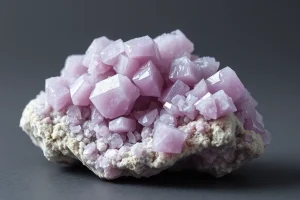
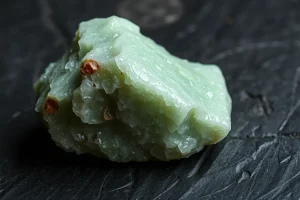
Plumbogummite is a secondary phosphate mineral belonging to the alunite supergroup. Its ideal chemical composition is PbAl3(PO4)2(OH)5·H2O. The mineral typically forms as well‑developed tabular or pseudo‑hexagonal crystals that can reach several centimeters across. Crystals display a range of hues from pure white to pale yellow, occasionally showing faint greenish or gray tones. The luster varies from vitreous to pearly, and the material is generally translucent to opaque.
History and Origin
The name “plumbogummite” combines the Latin word plumbum (lead) with the German word Gummit (gum), reflecting both its lead content and the gummy, earthy texture of massive specimens. The mineral was first described in 1865 from occurrences in the United States, specifically the lead‑zinc districts of Arizona. Subsequent discoveries have documented plumbogummite in several other lead‑rich ore districts, including Brazil, Germany, France, and the Czech Republic. It forms through the alteration of primary lead‑bearing sulfide minerals under oxidizing conditions, often in the oxidized zone of hydrothermal veins.
Meaning and Symbolism
Plumbogummite does not have a historic cultural symbolism like traditional gemstones. In contemporary crystal‑healing circles, however, it is frequently associated with grounding, transformation, and the integration of deep emotional currents. Practitioners link these attributes to the mineral’s lead component, which historically has been associated with weight, stability, and the capacity to “anchor” energetic patterns.
Healing and Metaphysical Properties
Within the framework of crystal‑healing belief systems, plumbogummite is said to offer the following benefits. These statements reflect traditional or anecdotal claims and should not be taken as medical advice.
- Emotional grounding: Supposed to help anchor scattered thoughts and promote a sense of stability.
- Facilitates transformation: Believed to assist in releasing outdated emotional patterns, encouraging personal growth.
- Physical support: Some sources claim it can aid skeletal and muscular health, though such effects are not scientifically verified.
People who work with plumbogummite often place it on the lower abdomen, base of the spine, or keep it nearby during meditation to enhance these perceived qualities.
Varieties and Types
Plumbogummite itself does not have formally recognized varieties, but it can appear in several distinct crystal habits that collectors find aesthetically appealing:
- Tabular crystals – flat, plate‑like plates that exhibit well‑defined edges.
- Pseudorhombohedral aggregates – clusters that give the impression of rhombohedral symmetry despite belonging to the trigonal system.
- Massive, earthy aggregates – compact, gum‑like masses lacking distinct crystal faces.
Other members of the alunite supergroup, such as alunite, jarosite, and crandallite, share structural similarities but differ chemically and in typical coloration.
Jewelry Uses and Care
Because plumbogummite rates only 4.5–5 on the Mohs hardness scale and possesses a tendency to fracture along irregular planes, its use in jewelry is limited to pieces where durability is less critical. Typical applications include:
- Cabochons set in protective bezel or bezel‑back settings, allowing the stone to be displayed while shielding vulnerable edges.
- Beads incorporated into ornamental necklaces, bracelets, or tassels, especially in designs meant for occasional wear rather than daily use.
Care instructions for plumbogummite jewelry are straightforward but must respect its softness:
- Avoid mechanical impacts; even a modest knock can cause chipping or breakage.
- Clean gently with lukewarm water, a mild liquid soap, and a soft, lint‑free cloth. Do not use ultrasonic cleaners, steam cleaners, or harsh chemicals.
- Store pieces separately in a soft pouch or padded compartment to prevent scratching against harder gemstones or metals.
Buying Guide
When acquiring plumbogummite, whether for a collection or a jewelry project, keep the following considerations in mind:
- Provenance: Reputable dealers should disclose the locality of the specimen. Well‑documented sources such as the Arizona lead districts or the Brazilian São Domingos mine add confidence to authenticity.
- Color and clarity: Look for uniform white to pale‑yellow tones with minimal clouding or dark inclusions. While some internal texture is acceptable, excessive opacity diminishes visual appeal.
- Treatment disclosure: Natural plumbogummite is rarely subjected to enhancement. Any artificial coloring, impregnation, or coating should be clearly communicated by the seller.
- Certification: For larger or especially well‑formed crystals, request a gemological report from an accredited laboratory (e.g., GIA, IGI). The report should confirm chemical composition and verify the absence of hazardous contaminants.
- Price range: Because the market is niche, prices can vary widely. Small, low‑quality specimens may be inexpensive, while large, flawless tabular crystals from renowned localities can command premium prices.
By evaluating these factors, buyers can make informed decisions and ensure their plumbogummite acquisition meets both aesthetic and ethical expectations.
FAQ
What is plumbogummite good for?
Plumbogummite is prized by mineral collectors for its distinctive crystal habit and by crystal‑healing enthusiasts for its traditional claims of grounding and transformation. It is rarely used in mainstream jewelry because of its modest hardness.
Is plumbogummite rare?
High‑quality plumbogummite crystals are relatively uncommon, especially those that are inclusion‑free and sourced from well‑documented localities. The mineral occurs in several lead‑zinc districts worldwide, making it uncommon but not exceptionally scarce.
How can you tell if plumbogummite is real?
Authentic plumbogummite shows a white to pale‑yellow color, a pearly to vitreous luster, and a specific gravity around 3.5–3.7. Professional confirmation typically involves X‑ray diffraction, electron microprobe analysis, or a certified gemological report.
What chakra is plumbogummite associated with?
Traditional crystal‑healing sources often link plumbogummite to grounding energy, which is associated with the Root Chakra, though no single universally accepted chakra assignment exists.
How should you clean plumbogummite?
Clean plumbogummite gently with lukewarm water, mild soap, and a soft cloth. Avoid ultrasonic cleaners, steam, or harsh chemicals, and store the stone separately to prevent scratching.
Leave a Reply