
Short Answer
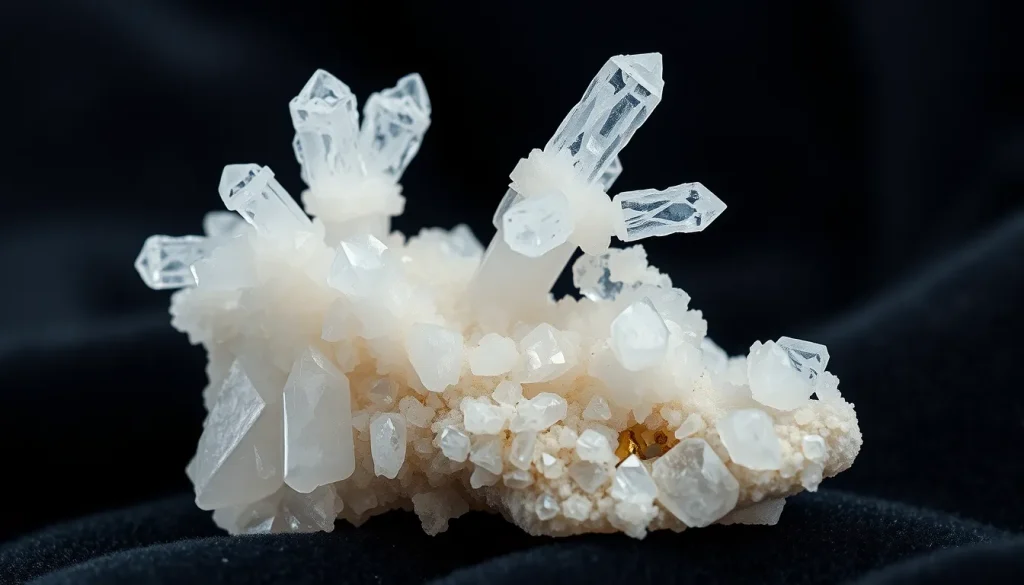
Zeolites are a complex group of microporous, aluminosilicate minerals known scientifically for their ability to exchange ions and trap molecules within their framework. In the realm of metaphysical healing, this physical property of ‘filtering’ is translated into a spiritual capacity for detoxification, cleansing, and the removal of energetic blockages.
What Is Zeolite?
From a gemological perspective, Zeolites are tectosilicates that typically form in the cavities of volcanic rocks. They are characterized by a three-dimensional framework of alumina and silica tetrahedra, which creates a network of channels and cages. This unique structure allows them to act as molecular sieves, absorbing specific molecules while excluding others.
In metaphysical practice, Zeolite is viewed as a powerful cleanser. Because it physically absorbs toxins in industrial and agricultural applications, practitioners believe it performs a similar function on the subtle body, absorbing negative energy and emotional toxicity from the user’s aura.
Practical Uses and Limitations
Zeolite is primarily used in holistic practices for environmental and emotional purification. Common applications include:
- Energetic Detoxification: Placing Zeolite in a room to absorb ‘stale’ or negative energy.
- Emotional Release: Using the stone during meditation to help release old traumas or ingrained negative thought patterns.
- Synergistic Pairing: Combining Zeolite with clear quartz to amplify the cleansing effect.
Gemologist’s Note: While Zeolite is valued for its energetic properties, it is relatively soft (typically 3 to 4 on the Mohs scale). It should not be used in jewelry that is subject to high wear and tear, such as rings.
Varieties and Related Materials
The Zeolite group is vast, containing many different minerals. While many are used interchangeably in healing, some have specific associations:
| Variety | Common Appearance | Metaphysical Focus |
|---|---|---|
| Stilbite | White to pale peach, bowtie shapes | Heart healing and gentleness |
| Heulandite | Clear to light green/pink | Mental clarity and communication |
| Natrolite | Needle-like, colorless to white | Focus and spiritual alignment |
Symbolism and Modern Beliefs
Modern metaphysical beliefs associate Zeolite with the concept of “The Great Filter.” It is symbolized as a bridge between the physical and spiritual realms of purity. Unlike stones that provide energy (like Citrine), Zeolite is seen as a stone of subtraction—removing what is no longer needed to allow the natural state of balance to return.
It is frequently linked to the Crown and Third Eye chakras, where it is believed to clear mental fog and remove ‘psychic debris’ that prevents one from accessing higher consciousness.
Jewelry Suitability and Care
Due to its low hardness and tendency to be brittle or porous, Zeolite is not suitable for traditional fine jewelry. It is best kept as raw specimens or tumbled stones.
Care Instructions:
- Cleaning: Use a soft brush and lukewarm water. Avoid harsh chemicals, as the porous nature of the mineral may absorb them.
- Storage: Store in a separate pouch to prevent harder minerals from scratching its surface.
- Cleansing: Because Zeolite is believed to absorb negativity, it requires frequent energetic cleansing via moonlight or sage smudging.
FAQ
Can Zeolite be worn as jewelry?
While it can be used in pendants, it is generally too soft for rings or bracelets. It is best used as a pocket stone or home specimen.
How do I cleanse my Zeolite stone?
Since Zeolite is believed to absorb negativity, it should be cleansed regularly using moonlight, sound (singing bowls), or incense.
What is the difference between Stilbite and Zeolite?
Stilbite is a specific mineral species within the broader Zeolite group.
Leave a Reply