
Short Answer
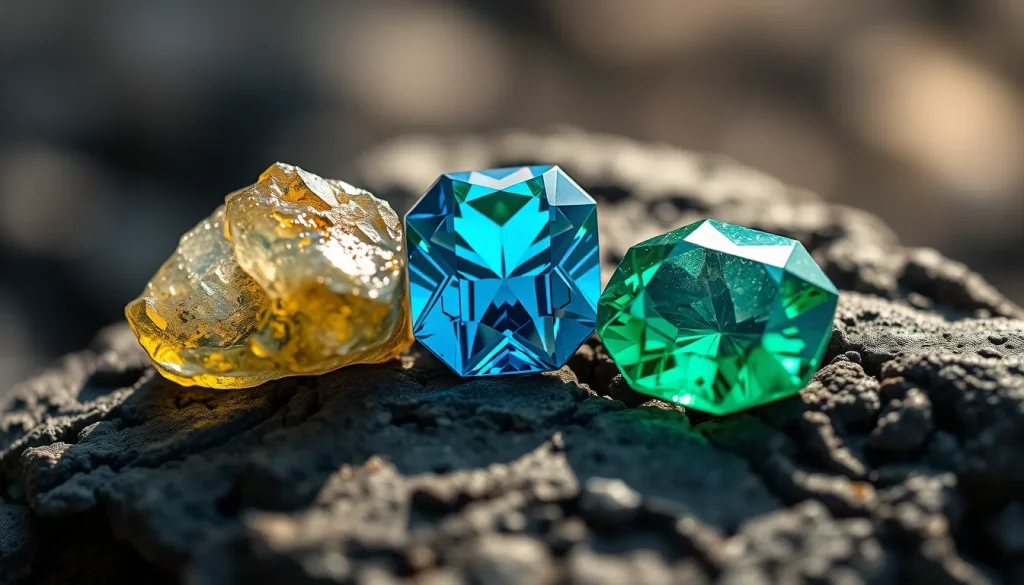
Madagascar is often referred to as the ‘Island of Treasures’ by gemologists, owing to its unique geological history and diverse mineral deposits. From the high plateaus to the coastal plains, the island produces a staggering array of gemstones that are prized globally for their saturation, clarity, and rarity.
What Is the Madagascar Gemstone Deposit?
The gemstone deposits of Madagascar are the result of complex tectonic movements and volcanic activity associated with the breakup of the Gondwana supercontinent. The island’s crust contains a variety of pegmatites, metamorphic rocks, and alluvial deposits that host an extraordinary range of minerals. While Madagascar is famous for its corundum (rubies and sapphires), it is equally significant for its beryls, tourmalines, and rare silicate minerals.
Practical Uses and Limitations
Gemstones from Madagascar are primarily used in high-end jewelry and private mineral collections. However, collectors must be aware of specific limitations:
- Stability: Some rare minerals found in Madagascar are sensitive to UV light or extreme temperature changes.
- Ethical Sourcing: Due to the artisanal nature of mining in the region, verifying the provenance and ethical chain of custody is a critical step for professional collectors.
- Treatment Prevalence: Many Madagascar stones, particularly sapphires, undergo heat treatment to enhance color.
Varieties and Related Materials
The diversity of Madagascar’s output is unparalleled. The most sought-after varieties include:
Corundum (Sapphires and Rubies)
Madagascar is a leading source of blue, pink, and yellow sapphires. The blue sapphires often exhibit a vivid saturation that rivals those from Kashmir or Burma.
Tourmaline (Elbaite)
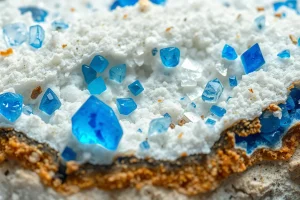
The island produces a spectrum of tourmalines, including the rare ‘Paraíba-type’ neon blue and deep ‘watermelon’ varieties.
Beryl (Emeralds and Aquamarines)
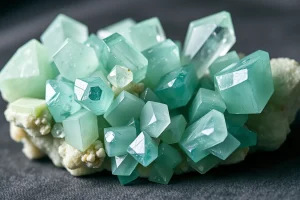
Madagascar emeralds are known for their distinct hues, often leaning towards a deep, lush green, while its aquamarines are prized for their clarity.
Identification and Look-Alikes
Distinguishing Madagascar gems from other origins can be challenging without laboratory equipment. However, certain characteristics often emerge:
| Gemstone | Madagascar Characteristic | Common Look-Alike |
|---|---|---|
| Blue Sapphire | Often possesses a velvety luster | Sri Lankan Sapphire |
| Green Tourmaline | High saturation, often with zoning | Tsavorite Garnet |
| Alexandrite | Strong color shift (green to red) | Color-change Garnet |
Expert Tip: Always request a GIA or SSEF certificate for high-value Madagascar stones to confirm origin and ensure the stone is natural.
Treatments and Synthetic Counterparts
Understanding the treatment history of a Madagascar stone is vital for valuation. Common practices include:
- Heat Treatment: Used extensively on sapphires to dissolve inclusions and improve color.
- Diffusion: A more aggressive treatment used to force color into pale stones.
- Oil/Resin: Occasionally used in emeralds to fill surface-reaching fractures.
Quality and Value Factors
The value of a Madagascar gemstone is determined by the ‘Four Cs’, with a specific emphasis on color saturation. For Madagascar sapphires, a ‘cornflower blue’ or ‘royal blue’ hue commands the highest premium. In tourmalines, the absence of quenching (color fading) and the presence of vivid, neon tones increase the market value significantly.
History and Cultural Significance
While gemstone mining has existed in Madagascar for centuries, the global market only recognized the island’s full potential in the late 20th century. The gems are now a point of national pride and a significant driver of the local economy, though the industry continues to evolve toward more sustainable and regulated practices.
FAQ
Are Madagascar sapphires as valuable as Burmese ones?
High-quality, unheated Madagascar sapphires can rival Burmese stones in value, though Burmese rubies generally maintain a higher market premium.
How can I tell if a Madagascar emerald is treated?
Most emeralds are treated with oil. A professional gemologist uses microscopy to identify 'oil trails' or resin fills in the inclusions.
What is the rarest gemstone found in Madagascar?
While subjective, high-quality color-change Alexandrite and neon-blue Tourmalines are among the rarest and most prized.
Leave a Reply