
Short Answer
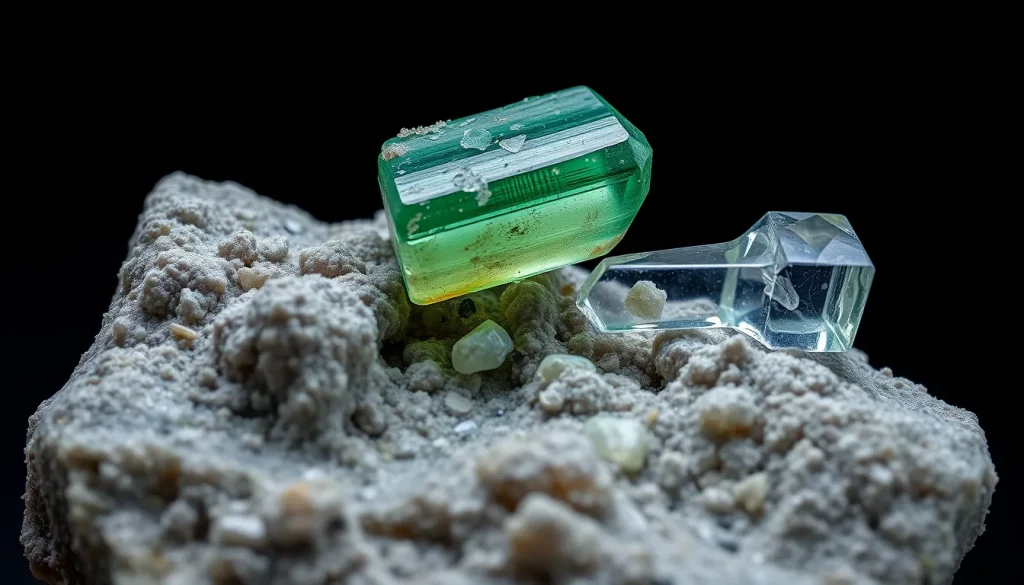
Namibia is globally renowned for its geological diversity, producing some of the world’s most coveted gemstones. Among its most intriguing sites is the Esperanza mine, a location that has captivated mineralogists and collectors alike due to its ability to yield rare, high-crystallinity specimens that are often found nowhere else in such quality.
What Is the Esperanza Mine?
The Esperanza mine is a specialized mining operation located in the arid landscapes of Namibia. Unlike the vast alluvial diamond fields of the coast, Esperanza is prized for its primary deposits of rare minerals. The site is characterized by complex pegmatites and hydrothermal veins that have allowed for the slow growth of large, well-formed crystals. It is particularly famous for producing high-grade specimens of rare silicates and oxides that serve as both investment-grade gemstones and scientific museum pieces.
Varieties and Related Materials
The mineralogical output of the Esperanza mine is diverse, but it is most noted for the following varieties:
- Rare Tourmalines: Including vivid greens and deep blues that exhibit exceptional clarity.
- Beryl Varieties: High-quality Aquamarine and Morganite, often characterized by a lack of common inclusions.
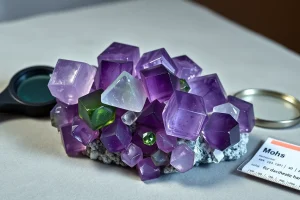
- Exotic Silicates: Rare species that are highly sought after by mineral collectors for their geometric perfection.
- Associated Quartz: Large, clear quartz crystals that often act as the matrix for more precious minerals.
Quality and Value Factors
When evaluating gemstones from the Esperanza mine, senior gemologists focus on several critical criteria:
| Factor | Description | Impact on Value |
|---|---|---|
| Crystal Habit | The natural shape and symmetry of the crystal. | High for specimen collectors. |
| Saturation | The intensity of the gemstone’s color. | Primary driver for jewelry value. |
| Clarity | Absence of visible inclusions under 10x magnification. | Critical for investment-grade stones. |
| Provenance | Verified origin from the Esperanza site. | Adds a premium for rare species. |
Identification and Look-Alikes
Due to the rarity of Esperanza minerals, they are often imitated by synthetic counterparts or treated stones from other regions. Proper identification requires advanced spectroscopic analysis.
Expert Tip: Always check for natural growth lines and internal fluid inclusions. Synthetic stones from laboratories often lack the complex geological ‘fingerprints’ found in Namibia’s natural pegmatites.
Common look-alikes include:
- Synthetic Tourmaline: Often too perfect in color and lacking the subtle zoning found in natural Namibian stones.
- Glass Imitations: Lacking the refractive index and hardness of true Esperanza minerals.
Jewelry Suitability and Care
Most gemstones from this region possess a hardness that makes them suitable for jewelry, provided they are handled correctly. Beryls and Tourmalines from Esperanza typically range from 7 to 8 on the Mohs scale.
- Setting: Use bezel or prong settings that protect the edges of the crystal.
- Cleaning: Use lukewarm soapy water and a soft brush; avoid ultrasonic cleaners for crystals with internal fractures.
- Storage: Store separately in padded gemstone pouches to prevent scratching from harder minerals like diamonds.
FAQ
What makes Esperanza gemstones different from other Namibian stones?
Esperanza is specifically known for the exceptional size and geometric perfection of its crystals, whereas other areas may produce smaller or more included stones.
Are these gemstones suitable for everyday wear?
Yes, most are hard enough for jewelry, though those with large inclusions or fragile habits should be kept as collector specimens.
How can I verify a stone is from the Esperanza mine?
Verification requires a combination of chemical analysis (trace elements) and a documented chain of custody from the mine to the seller.
Leave a Reply