
Short Answer
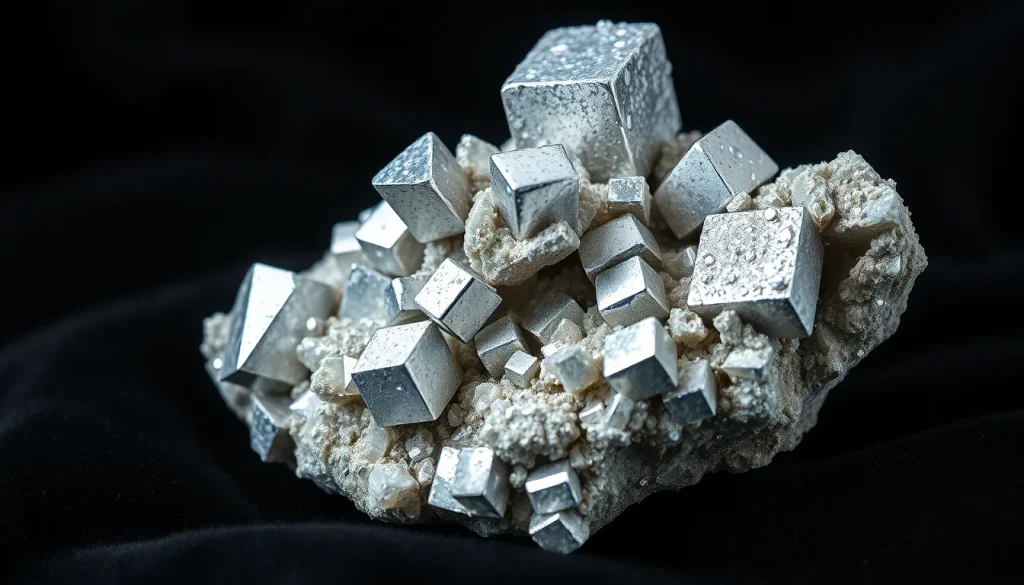
Skutterudite is an uncommon and scientifically intriguing mineral primarily valued for its cobalt content and its unique crystalline structure. While not a traditional gemstone used in high jewelry due to its fragility and chemical composition, it is highly prized by mineral collectors and utilized in advanced thermoelectric technology.
What Is Skutterudite?
Skutterudite is a cobalt-nickel arsenide mineral with the chemical formula CoAs₃. It typically crystallizes in the cubic system, often appearing as metallic, silver-white to steel-grey crystals. In nature, it is frequently found in hydrothermal veins associated with other cobalt-bearing minerals.
From a gemological perspective, Skutterudite is categorized as a sulfide mineral. Its most striking feature is its high metallic luster, which can give it a mirror-like appearance when polished. However, because it contains arsenic, it is handled with more caution than typical silicate gemstones.
Practical Uses and Limitations
Unlike diamonds or sapphires, Skutterudite is rarely seen in wearable jewelry. Its primary value lies in two distinct areas:
- Industrial Application: Modern science has found that skutterudite-structured materials are excellent for thermoelectric cooling and power generation, as they can convert heat directly into electricity.
- Mineral Collecting: Due to its rarity and specific crystal habit, high-quality specimens are sought after by museums and private collectors.
Expert Tip: Because Skutterudite contains arsenic, it should be stored in ventilated areas and handled with gloves. Avoid inhaling any dust produced if the mineral is being cut or polished.
Identification and Look-Alikes
To the untrained eye, Skutterudite can be confused with other metallic minerals. The following table outlines the primary differences:
| Feature | Skutterudite | Arsenopyrite | Galena |
|---|---|---|---|
| Color | Silver-white to Grey | Steel-grey to Yellowish | Lead-grey |
| Luster | Bright Metallic | Metallic | Metallic (Dull) |
| Crystal System | Cubic | Monoclinic | Cubic |
| Hardness (Mohs) | 5.5 – 6.0 | 5.5 – 6.0 | 2.5 – 2.75 |
Jewelry Suitability and Care
Skutterudite is not recommended for standard jewelry use. Its hardness is moderate, but its chemical stability is low compared to quartz or corundum. If a specimen is kept for display, the following care guidelines apply:
- Avoid Chemicals: Keep the mineral away from strong acids or alkaline cleaners, which can react with the sulfide components.
- Dry Cleaning Only: Use a soft, dry microfiber cloth to remove dust. Never soak the mineral in water for extended periods.
- Secure Storage: Store in a padded, airtight container to prevent oxidation and protect against physical impact.
Symbolism and Modern Beliefs
In the realm of metaphysical healing, Skutterudite is believed to be a stone of spiritual clarity and mental focus. Practitioners suggest that it helps in:
- Clearing mental fog and enhancing cognitive function.
- Aligning the physical body with higher spiritual frequencies.
- Providing a sense of grounding during times of intense emotional transition.
While these beliefs are not scientifically proven, many collectors value the mineral for its perceived ability to stimulate the intellect and foster a connection with the Earth’s hidden energies.
FAQ
Is Skutterudite safe to touch?
Yes, in its solid mineral form, it is generally safe to handle. However, because it contains arsenic, you should avoid inhaling dust if the mineral is broken or polished, and always wash your hands after handling.
Can Skutterudite be used in rings?
It is not recommended for rings due to its moderate hardness and chemical sensitivity. It is better suited as a collector's specimen.
What makes Skutterudite valuable?
Its value comes from its rarity as a mineral specimen and its specialized application in thermoelectric technology.
Leave a Reply