
Short Answer
Overview
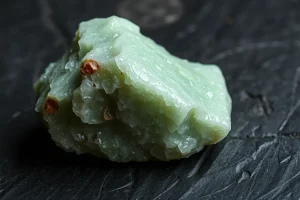
Howlite is a hydrated calcium borosilicate mineral with the chemical formula Ca2B(BO3)2·5H2O. It crystallises in the monoclinic system and typically occurs as an opaque white stone marked by delicate grey‑blue or brown veining. With a Mohs hardness of about 3.5, it is relatively soft, which makes it easy to carve, lap, and dye. The mineral’s low specific gravity (2.35–2.38) and silky‑to‑vitreous luster contribute to its smooth appearance when polished.
History and Origin
The first documented discovery of howlite dates to 1868 in the copper mines of Arizona, United States. It was named after Canadian chemist Henry How, who first described the mineral in scientific literature. Early commercial use focused on ornamental carving, beads, and small decorative objects. By the early 20th century, mining expanded to Nevada and later to British Columbia, Canada. Smaller deposits have also been reported in Mexico, Turkey, and a few other locations, but the United States and Canada remain the primary sources of gem‑grade material.
Meaning and Symbolism
In traditional gemstone folklore, howlite is associated with calmness, patience, and emotional balance. The white background is interpreted as purity, while the veining is said to represent the flow of thoughts and feelings, encouraging the wearer to release anger and stress. It is occasionally used as a substitute for turquoise in cultures where turquoise holds special symbolic value, offering a similar visual effect at a lower cost.
Healing and Metaphysical Properties
Crystal‑healing practitioners attribute the following properties to howlite, describing them as long‑standing beliefs rather than scientifically proven effects:
- Emotional soothing: Thought to calm anxiety, insomnia, and emotional turbulence.
- Communication aid: Believed to promote honest expression and reduce aggression.
- Spiritual grounding: Often linked to the Crown or Third Eye chakras to support meditation and inner insight.
These claims are part of traditional metaphysical systems and are not supported by medical research.
Varieties and Types
Pure howlite is opaque white with subtle veining. Because the stone is porous, it is frequently treated to broaden its market appeal:
- Dyed howlite: The most common treatment, where the stone is soaked in acid‑based dyes to produce vivid blue, green, or even pink hues that mimic turquoise or other valued gems.
- Polished cabochons: Smooth, lapped surfaces are popular in pendants and earrings.
- Carved beads and figurines: The mineral’s softness makes it ideal for intricate carvings and beadwork.
Undyed, natural specimens are valued by collectors for their rarity and distinctive veining patterns.
Jewelry Uses and Care
Due to its low hardness, howlite is best suited for jewelry pieces that experience minimal abrasion, such as earrings, pendants, brooches, and beaded necklaces. It is generally avoided in rings or bracelets that are subject to frequent impact.
Care recommendations:
- Clean with warm, mildly soapy water and a soft brush; avoid ultrasonic cleaners which can damage the stone or leach dyes.
- Rinse thoroughly and pat dry with a lint‑free cloth.
- Store separately from harder gemstones to prevent scratches.
- Avoid prolonged exposure to direct sunlight and harsh chemicals, especially on dyed pieces, as colors may fade.
Buying Guide
When selecting howlite, consider the following factors to ensure quality and transparency:
- Origin and treatment disclosure: Reputable dealers will state whether the stone is natural or dyed and provide details of any treatments.
- Color and veining: Natural white with subtle grey‑blue veining is typical; overly bright or uniform blue often indicates heavy dyeing.
- Cut and polish: Look for a smooth, even surface free of pits or visible dye bleed.
- Certification: For larger or high‑value pieces, a gemological report from an accredited laboratory (e.g., GIA) can confirm authenticity and treatment status.
Howlite is relatively abundant, so price points are modest. However, high‑clarity, naturally veined specimens or pieces with exceptional craftsmanship can command higher values.
FAQ
What is howlite good for?
Howlite is valued for its aesthetic use in jewelry and decorative carvings, and traditionally believed to promote calmness, emotional balance, and clear communication.
Is howlite rare?
Howlite is relatively common, especially in its natural white form. High‑quality, naturally veined specimens are less abundant, while dyed blue howlite is widely available.
How can you tell if howlite is real?
Real howlite feels cool, shows a white base with subtle grey veining, and has perfect cleavage. A simple hardness test (scratch with a copper coin) and observation of dye absorption can help, but professional gemological testing provides definitive verification.
What chakra is howlite associated with?
In crystal‑healing traditions, howlite is most commonly linked to the Crown Chakra and is also sometimes associated with the Third Eye Chakra to aid meditation and spiritual insight.
How should you clean howlite?
Clean howlite with warm, mildly soapy water and a soft brush, rinse thoroughly, and pat dry with a lint‑free cloth. Avoid ultrasonic cleaners, harsh chemicals, and prolonged sunlight, especially on dyed pieces.
Leave a Reply