
Short Answer
Direct Answer
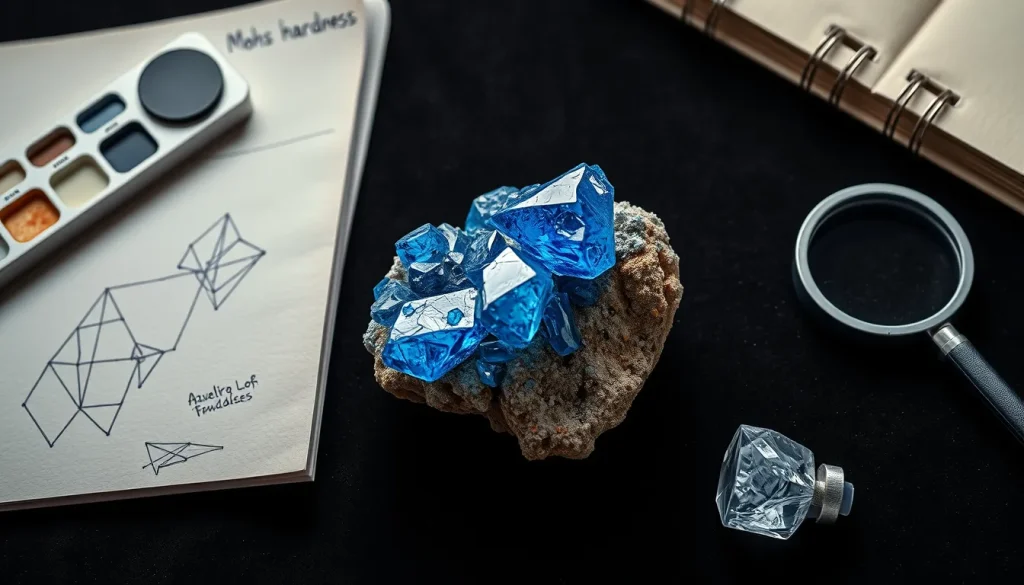
Identifying and valuing rare mineral specimens is a systematic process that blends physical observation, chemical analysis, and market provenance. Unlike faceted gemstones, the value of a mineral specimen is derived from its aesthetic perfection, rarity of the species, the prestige of the locality, and the integrity of its crystal habit. Identification begins with a battery of non-destructive tests—such as hardness, streak, and luster—followed by advanced spectroscopic analysis if necessary. Valuation is then determined by comparing the specimen against known benchmarks of quality and scarcity within the global collectors’ market.
Relevant Conditions
The process of identification and valuation varies depending on the state of the specimen and the goals of the collector. Key conditions that influence this process include:
- Mineral Association: Whether the specimen is a single crystal or associated with a matrix of other minerals, which can either increase value (paragenesis) or obscure identification.
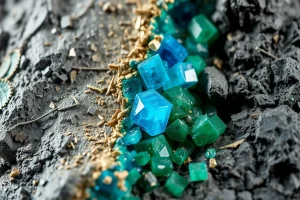
- Crystal Habit: The geometric form the mineral took during growth; rare habits (e.g., unusual twinning) significantly boost value.
- Provenance (Locality): A specimen’s origin. A mineral from a “closed” or legendary mine often commands a higher price than the same mineral from a common source.
- Condition: The presence of “bruises,” chips, or previous repairs (glues) which can drastically reduce the market value.
Recommended Steps
To accurately identify and value a specimen, follow this professional hierarchy of analysis:
Step 1: Preliminary Physical Identification
Before using expensive equipment, employ basic gemological and mineralogical tests:

- Luster: Observe how light reflects off the surface (e.g., vitreous, adamantine, pearly, or metallic).
- Hardness: Use the Mohs scale to determine the mineral’s resistance to scratching.
- Streak: Rub the mineral on an unglazed porcelain plate to see the color of its powder.
- Cleavage and Fracture: Examine how the mineral breaks; specific angles of cleavage are diagnostic for many species.
Step 2: Advanced Analytical Testing
When physical tests are inconclusive, professionals utilize scientific instrumentation:
- Refractive Index (RI): Measuring the speed of light through the crystal.
- Specific Gravity (SG): Determining the density of the specimen.
- X-Ray Diffraction (XRD): The gold standard for identifying the precise atomic structure of a mineral.
- EDX/XRF Analysis: Using X-ray fluorescence to determine the elemental composition.
Step 3: Valuation Assessment
Once identified, apply the following criteria to estimate market value:
| Factor | Low Value Impact | High Value Impact |
|---|---|---|
| Size | Too small to see detail | Impressive, museum-scale |
| Clarity | Opaque/Cloudy | Gemmy/Transparent |
| Form | Massive or Botryoidal | Well-terminated crystals |
| Rarity | Commonly available | Extremely rare/Unique species |
Expert Tip: Always document the provenance. A specimen with a documented history from a prestigious collection or a specific historical era can increase in value by 20% to 100%.
Exceptions
There are several scenarios where standard identification and valuation rules may not apply:
- Pseudomorphs: When one mineral replaces another while retaining the original’s shape. These require specialized knowledge to identify the “parent” and “child” minerals.
- Synthetic Minerals: Lab-grown crystals can be visually identical to rare naturals but hold almost no value for mineral collectors.
- Twinning: Unusual crystal twinning can make a common mineral look like a rare species, potentially misleading a novice collector.
When to Ask a Professional
While basic identification can be done at home, certain situations demand a certified gemologist or mineralogist:
- High-Value Transactions: When purchasing a specimen that represents a significant financial investment.
- Ambiguous Identification: When physical tests yield contradictory results (e.g., between different species of Garnet or Tourmaline).
- Authentication of Provenance: When the seller claims a specimen is from a rare, closed locality that requires verification.
- Damage Assessment: To determine if a specimen has been invisibly repaired or treated with resins to hide fractures.
FAQ
Does size always increase the value of a mineral specimen?
Not necessarily. A small, perfectly formed, and rare crystal is often more valuable than a large, distorted, or common mass of the same mineral.
How can I tell if a specimen has been glued or repaired?
Use a 10x loupe to inspect joints for residue or 'bubbles' of adhesive. UV light can also reveal many synthetic glues that fluoresce under certain wavelengths.
What is the difference between a gemstone and a mineral specimen?
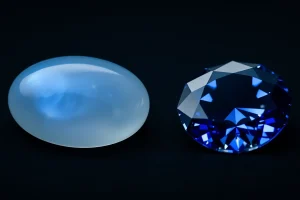
A gemstone is valued primarily for its potential to be cut and polished, whereas a mineral specimen is valued for its natural, uncut form and geological context.
Leave a Reply