
Short Answer
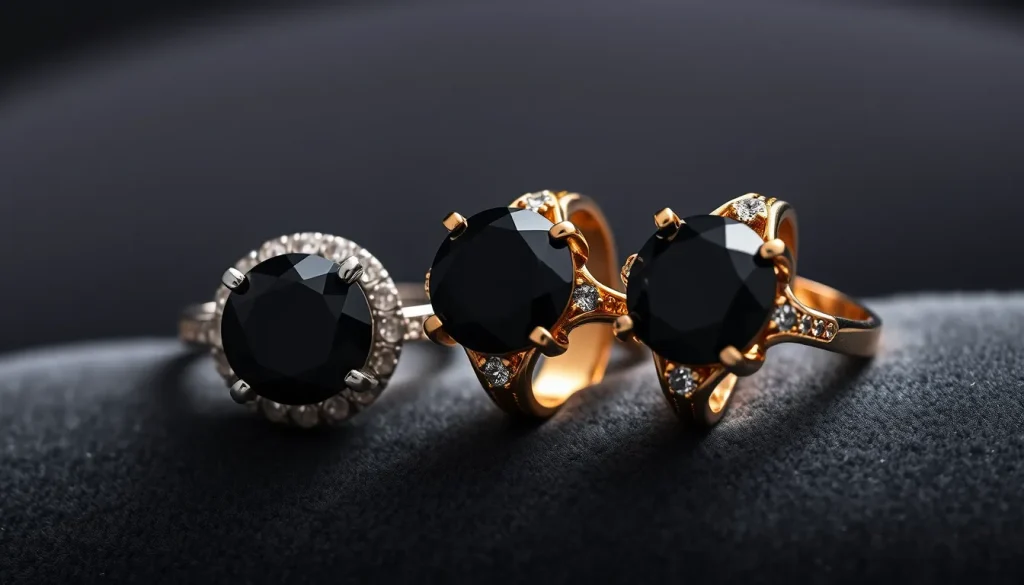
Choosing the ideal metal for a black diamond is a critical design decision that dictates whether the gemstone appears bold and modern or subtle and sophisticated. Unlike colorless diamonds, which rely on the metal to enhance their brilliance, black diamonds are opaque and absorb light, making the surrounding metal the primary driver of visual contrast.
Direct Answer
The best metal for setting black diamonds depends on the desired aesthetic: White Gold, Platinum, and Silver provide a high-contrast, monochromatic look that emphasizes the stone’s deep darkness; Yellow Gold creates a luxurious, classic contrast; and Rose Gold offers a romantic, contemporary warmth. From a technical standpoint, Platinum is the superior choice for security due to its density and strength, while 18K Gold provides an ideal balance of purity and hardness.
Relevant Conditions
When selecting a metal, several factors must be considered to ensure the jewelry is both beautiful and durable:
- Visual Contrast: Because black diamonds are opaque, the metal serves as a frame. High-contrast pairings (black and white) create a sharp, graphic appearance, while low-contrast pairings (black and dark metals) create a stealthy, integrated look.
- Metal Hardness: Black diamonds are extremely hard (10 on the Mohs scale). If the metal is too soft, the diamond can potentially wear down the prongs or the setting over time.
- Skin Tone and Style: The choice of metal often aligns with the wearer’s skin undertone (cool vs. warm) and the overall style of the piece (minimalist, gothic, or avant-garde).
Recommended Steps
To achieve the best result when pairing metals with black diamonds, follow these professional guidelines:
1. Determine the Desired Mood
Identify the intended emotional impact of the piece. Use the following logic for metal selection:
| Desired Effect | Recommended Metal | Visual Result |
|---|---|---|
| Modern & Sharp | Platinum / White Gold | High contrast; emphasizes the ‘blackness’. |
| Opulent & Traditional | Yellow Gold (14K or 18K) | Rich warmth that complements the dark stone. |
| Vintage & Soft | Rose Gold | Subtle, romantic glow against the opaque stone. |
| Edgy & Industrial | Tantalum / Black Rhodium | Seamless, monochromatic ‘stealth’ look. |
2. Select the Appropriate Alloy
For daily wear, choose alloys that offer stability. 14K gold is generally harder than 18K, making it slightly more secure for small pavé settings. However, Platinum is the gold standard for larger center stones due to its resistance to wear.
3. Consider the Setting Style
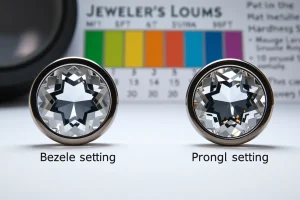
The way the metal holds the stone affects the contrast. A bezel setting in white gold creates a crisp white border around the black diamond, while a prong setting allows more of the stone’s silhouette to be visible.
Gemologist Tip: If using white gold, ensure it is rhodium-plated. The bright, mirror-like finish of rhodium provides the maximum possible contrast against the light-absorbing properties of a black diamond.
Exceptions
While the above guidelines hold for most scenarios, certain exceptions apply:
- Black Rhodium Plating: In some high-fashion designs, white gold is plated with black rhodium. This eliminates contrast entirely, making the diamond blend into the metal. This is an aesthetic choice rather than a structural one.
- Mixed Metal Designs: Using two different metals (e.g., a yellow gold band with white gold prongs) can highlight the black diamond while maintaining the warmth of the ring’s overall structure.
- Low-Carat Gold: Avoid 10K gold for high-end black diamond pieces, as the higher alloy content can sometimes lead to discoloration that clashes with the purity of the black stone.
When to Ask a Professional
Consult a master jeweler or certified gemologist in the following instances:
- Custom Prong Design: If the black diamond has an irregular shape or is a large carat weight, a professional must calculate the metal volume needed for secure retention.
- Metal Compatibility: When combining black diamonds with other gemstones (like white diamonds or sapphires), a pro can help balance the metal colors to ensure no single element overwhelms the others.
- Repairing Old Settings: Because black diamonds can be brittle depending on their origin (natural vs. treated), a professional should evaluate the setting before resizing or polishing.
FAQ
Does yellow gold make black diamonds look cheaper?
Not at all. Yellow gold provides a classic, high-luxury contrast that is highly sought after in traditional jewelry design.
Is platinum better than white gold for black diamonds?
Platinum is denser and more durable, making it safer for the stone, and it maintains its white color naturally without needing re-plating.
Can I use sterling silver for black diamonds?
Silver is acceptable for costume jewelry, but for investment-grade black diamonds, precious metals like gold or platinum are recommended due to their hardness.
Leave a Reply