
Short Answer
Direct Answer
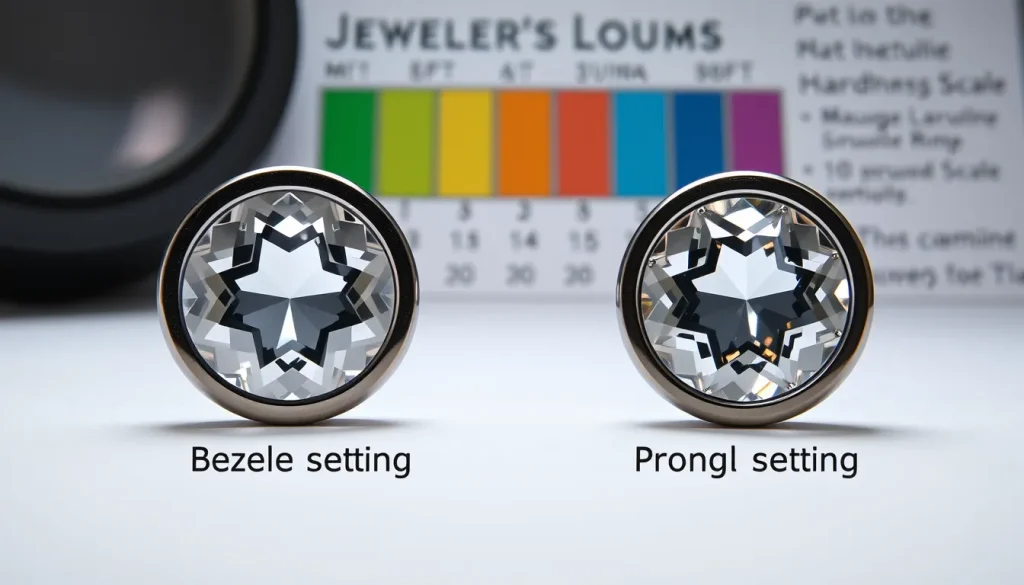
For gemstones falling within the Mohs hardness range of 5 to 6—such as Amazonite, Rhodonite, and some varieties of Apatite—the primary goal of a jewelry setting is protection. Because these stones are susceptible to surface scratching and impact fractures, the best settings are those that minimize the stone’s exposure to external contact. The Bezel Setting is widely considered the gold standard for this hardness range, as it provides a continuous metal rim that shields the vulnerable girdle and edges of the gemstone from accidental knocks.
Relevant Conditions
When selecting a setting for mid-hardness stones, several critical factors must be considered to avoid permanent damage to the gem:
- Wear Frequency: Rings are high-risk areas due to constant contact with hard surfaces. Pendants and earrings are generally safer.
- Cleavage and Fracture: Many stones in the 5-6 range have distinct cleavage planes; excessive pressure from a prong can cause the stone to split.
- Chemical Sensitivity: Some mid-hardness stones are porous or sensitive to acids, meaning the setting must not trap cleaning chemicals against the stone.
- Surface Vulnerability: Since these stones can be scratched by common household dust (which often contains quartz), the setting should ideally protect the table and crown.
Recommended Steps
To ensure the longevity of a mid-hardness gemstone, follow these structural recommendations based on the jewelry type:
1. Prioritize the Bezel Setting
A bezel setting wraps a thin strip of metal entirely around the perimeter of the stone. This is highly recommended because:
- It prevents the edges from chipping.
- It holds the stone securely without relying on point-pressure.
- It creates a physical barrier between the gemstone and the environment.
2. Utilize Semi-Bezels or Box Settings
If a full bezel is too restrictive for the design, a semi-bezel (protecting two sides) or a box setting (providing a floor and walls) offers a compromise between visibility and security.
3. Avoid Traditional Prongs for Rings
While prongs are aesthetically pleasing, they leave the gemstone’s edges exposed. If prongs must be used, opt for heavy, rounded prongs rather than thin needles, and ensure they are checked frequently for tightness.
4. Implement Protective Gallery Rails
For stones set slightly higher, a gallery rail (a thin wire running beneath the prongs) provides additional structural integrity and prevents the stone from being pushed out of the setting during an impact.
Expert Tip: When setting stones in the 5-6 Mohs range, avoid using high-pressure pneumatic setters. Hand-setting is preferred to ensure the jeweler can feel the exact resistance of the stone, preventing accidental fractures.
Exceptions
There are specific scenarios where the standard “protective” rule may be modified:
- Collector’s Pieces: For gemstones intended for display or rare occasions (non-daily wear), more open settings like tension settings may be used, provided the wearer is aware of the risks.
- Harder-than-Average Variants: Some minerals within this range may have directional hardness; a professional gemologist can determine if certain facets are more resilient than others.
- Cabochons vs. Facets: Smooth cabochon cuts are generally more resilient to chipping than faceted stones and can occasionally handle slightly more open settings.
When to Ask a Professional
Consult a certified gemologist or a master goldsmith in the following instances:
- Resizing: Never resize a ring containing a mid-hardness stone without professional oversight, as the pressure from the resizing tool can shatter the gem.
- Setting Repairs: If a prong becomes loose, do not attempt to bend it back yourself; the uneven pressure can crack a Mohs 5-6 stone instantly.
- Identification: If you are unsure of the exact hardness of your stone, have it tested before choosing a setting to avoid catastrophic failure.
FAQ
Can I wear a Mohs 5 gemstone in an engagement ring?
It is not recommended for daily wear. If you choose to do so, a full bezel setting is mandatory to prevent the stone from scratching or cracking over time.
Why are prongs dangerous for mid-hardness stones?
Prongs leave the edges (girdle) of the stone exposed to impact and apply pressure to small points on the stone, which can lead to fractures in softer materials.
What is the safest way to clean jewelry with these stones?
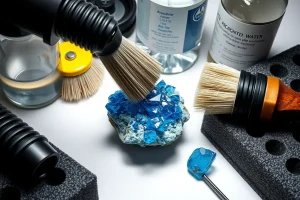
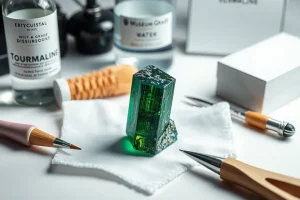
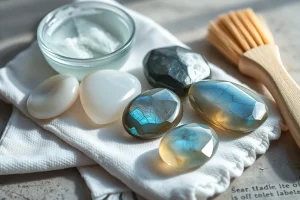
Avoid ultrasonic cleaners and steam cleaners. Use a soft brush and mild soapy water, ensuring the jewelry is dried immediately.
Leave a Reply