
Short Answer
Direct Answer
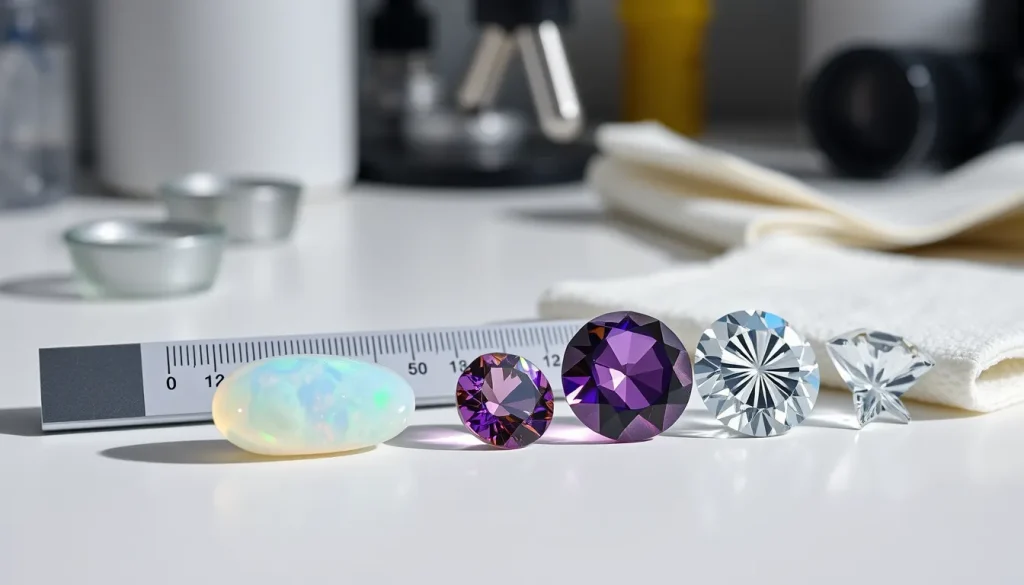
The Mohs Scale of Mineral Hardness is a qualitative scale from 1 to 10 used to determine a gemstone’s resistance to scratching. In the world of gemology, “soft” gemstones are generally those that fall below a 7 on the scale. Because these stones are more susceptible to surface abrasions, chips, and wear, they require specific care protocols—including avoiding ultrasonic cleaners, limiting exposure to hard surfaces, and choosing protective jewelry settings—to maintain their polish and structural integrity over time.
Relevant Conditions
Understanding hardness is critical when you are dealing with the following scenarios:
- Daily Wear: Choosing a gemstone for an engagement ring (high wear) versus a cocktail ring (occasional wear).
- Cleaning Processes: Determining if a stone can withstand chemical solvents or mechanical agitation.
- Storage: Preventing “cross-contamination” where a hard stone (like a diamond) scratches a soft stone (like an opal) in the same jewelry box.
- Setting Selection: Deciding between a bezel setting (protective) or a prong setting (exposed) based on the stone’s Mohs rating.
Expert Tip: Remember that hardness is not the same as toughness. A diamond is the hardest (10), but it can still shatter if struck sharply due to its cleavage planes. Hardness only refers to the ability to resist scratching.
Recommended Steps
To ensure the longevity of soft gemstones (Mohs 1-6), follow these professional maintenance guidelines:
1. Implement Safe Cleaning Methods
Avoid harsh chemicals and high-pressure equipment. For soft stones, the safest approach is:

- Use a soft-bristled baby toothbrush or a lint-free microfiber cloth.
- Apply lukewarm water mixed with a drop of mild, pH-neutral dish soap.
- Avoid ultrasonic cleaners and steam cleaners, as the vibrations and heat can crack soft or porous stones.
2. Strategic Storage
Never store gemstones loosely together. Use the following organization methods:
- Individual Pouches: Place each piece of jewelry in a separate soft fabric pouch.
- Divided Jewelry Boxes: Use compartments to ensure stones do not rub against one another.
- Hardness Grouping: If you must store items together, group them by similar hardness levels.
3. Mindful Wearing Habits
Soft gemstones should be the “last thing on and first thing off.”
- Put on your jewelry after applying lotions, perfumes, and hairspray.
- Remove soft-stone jewelry before exercising, gardening, or performing household chores.
- Avoid wearing soft gemstones in rings meant for the dominant hand’s index or middle finger, where impact is most frequent.
Exceptions
Not all soft stones are treated equally. There are critical distinctions to keep in mind:
- Porous Stones: Gems like Turquoise or Pearls are not just soft; they are porous. They can absorb oils and chemicals, meaning they require even more stringent cleaning rules than a non-porous soft stone like Fluorite.
- Organic Gems: Amber and Jet are organic materials with very low Mohs ratings (approx. 2-2.5). These are extremely prone to scratching and should never be exposed to alcohol-based cleaners.
- Treated Stones: Some gemstones are treated with polymers or resins to fill cracks. These fillers can dissolve in certain cleaning agents, regardless of the stone’s natural hardness.
When to Ask a Professional
While routine cleaning can be done at home, consult a certified gemologist or professional jeweler in these instances:
- Deep Scratches: If a soft stone has developed visible surface scratches, a professional can perform a controlled re-polish.
- Loose Settings: If a soft stone is shifting in its setting, it is at high risk of falling out or chipping; have the prongs checked immediately.
- Unknown Origins: If you have inherited a piece and are unsure of the stone’s hardness, do not attempt to clean it until a professional identifies the material.
FAQ
Can I use toothpaste to polish a scratched soft gemstone?
No. Most toothpastes contain abrasive silica or baking soda which can create thousands of tiny micro-scratches on soft gemstones, permanently dulling their luster.
Is a sapphire considered a soft gemstone?
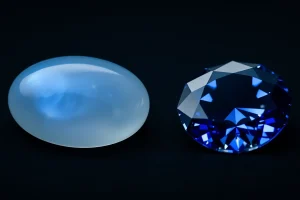
No, sapphire (and ruby) has a Mohs hardness of 9, making it one of the hardest natural gemstones and very durable for daily wear.
Why does my opal look cloudy after cleaning?
Opals are soft and porous. If cleaned with harsh chemicals or exposed to extreme temperature changes, they can suffer from 'crazing' or surface degradation.
Leave a Reply